Getting around
Landing at Pudong: what is the least painful way into the city?
By day, Metro Line 2 is the least painful option: one train into the city centre, priced by distance, at the cost of a slow, crowded ride and a same-platform change at Guanglan Road on some services. If you are in a hurry and travelling light, the maglev is far quicker, but it only takes you as far as Longyang Road, where you still change to the metro. Land late at night or before dawn and both the metro and the maglev have usually stopped running, leaving taxis, ride-hailing or night airport buses, plus a queue.
Last updated3 min read
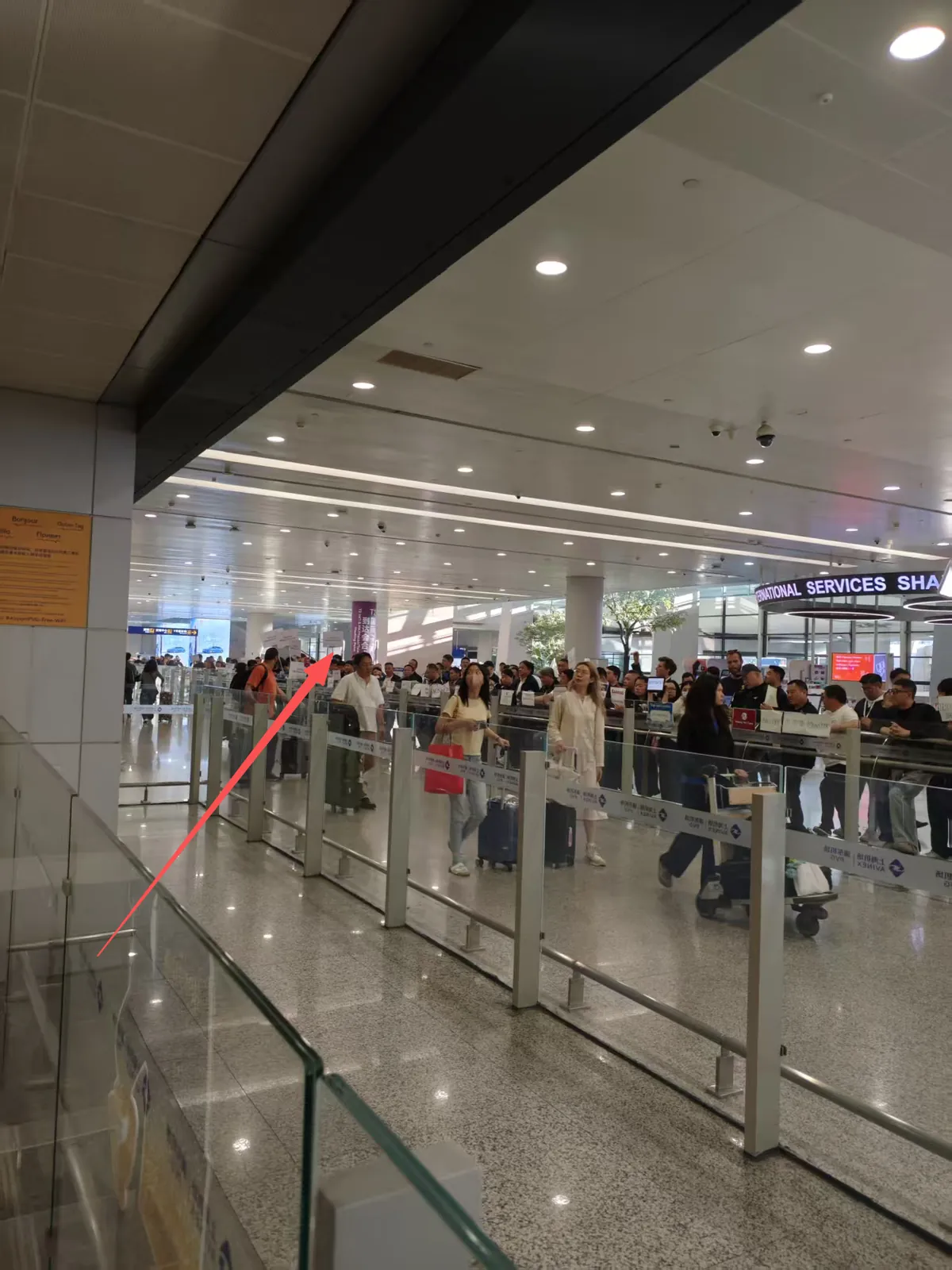
Pudong International Airport (PVG) sits in the east of Pudong New Area, about thirty kilometres from the city centre. The routes into town are not complicated; what decides your experience is the hour you land, because daytime and the middle of the night do not offer the same set of options.
Daytime: metro, maglev and taxis
Metro Line 2 is the default answer: one train into the centre, priced by distance, slow and crowded with nowhere to put a suitcase, but with no transfer to worry about. The one exception is that some services still require a same-platform change at Guanglan Road, so follow the in-station announcements and that day’s signs.
The maglev covers only the airport-to-Longyang Road leg, reaching it in a few minutes at its fastest, and from Longyang Road you still have to haul your luggage onto Metro Line 2, 7 or 16. It runs at full speed only during part of the day and stops earlier than the metro. It suits light packers, anyone who wants to try it once, and travellers staying near Longyang Road.
Taxis have an official rank on the arrivals level: follow the signs and pay the meter, with a night surcharge; the distance is what it is, so the fare is not small. Ride-hailing picks up in a designated area, not the taxi queue, and drivers usually phone to confirm where you are. Ignore anyone in the hall who approaches you asking where you are going. Airport buses link several main districts, with frequencies and last departures that shift with the season; they are worth it only if your accommodation sits near a stop.
Landing late or before dawn
The metro and the maglev both finish early, so red-eye arrivals will not catch them; that is a timetable problem, not a matter of luck. What remains is taxis, ride-hailing and some night buses, and the queue is usually at its longest. If you land after 23:00, decide before you fly: book a pickup, plan on ride-hailing, or accept the taxi queue. Do not gamble on the last metro.
Your first hour after landing
Immigration, baggage and finding your transport add up to more than an hour. Signage is bilingual, so simply follow it. Carousels and the arrivals exit are busy, so watch your belongings. Set up mobile payment before you leave home; the airport’s exchange and SIM counters do it all in one pass but are not necessarily good value, as our payments guide explains. T1 and T2 are separate buildings connected on foot; on the way home, if your gate is in a satellite hall you will ride a people mover first, so allow extra time.
The short answer
Daytime with light luggage: Metro Line 2. In a hurry and heading towards Longyang Road: the maglev. Late at night, with bags, or in a group: taxi or ride-hailing.