Getting around
Pudong International Airport
Shanghai's main international gateway, PVG, and what the exit from it actually involves.
Last updated:
- District
- 浦东新区 / Pudong New Area
- Nearest metro
- Metro Line 2 to Pudong International Airport station; the maglev links the airport with Longyang Road, where you change to Metro Lines 2, 7 and 16
- Hours
- The airport operates around the clock; each ground transport option has its own much shorter operating window, adjusted seasonally
- Indicative price
- Metro, maglev, taxi, ride-hailing and airport buses are all priced differently and fares change, so treat any figure as indicative and confirm at the station or in the app
Pudong International Airport (PVG) sits in Pudong New Area, roughly 30 km east of central Shanghai near the south bank of the Yangtze estuary, and handles most of the city’s international traffic. Its two main terminals, T1 and T2, are separate buildings you can walk between; each also has satellite concourses reached by an underground shuttle train, so a gate number tells you less about your walking time than you would hope. Terminal assignments, check-in rows and walking distances are set by the airport and the airlines, so check the airport’s own site and your airline’s notice rather than working from memory.
Getting out of it
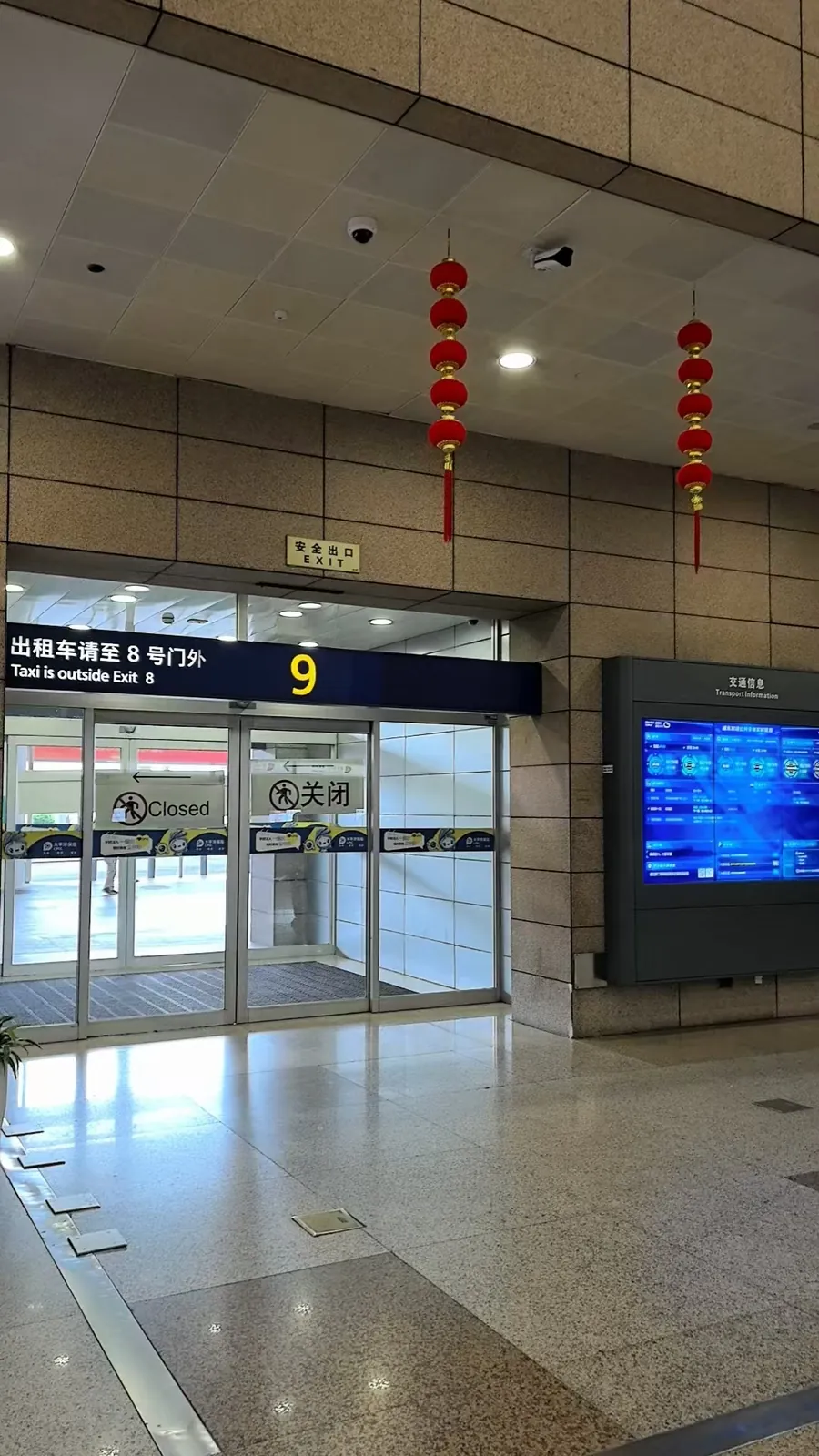
Metro Line 2 is the default: one train from the airport station to the city centre, about an hour and a bit, priced by distance. The drawbacks are the slow ride, the crowded carriages and an early last departure that many late arrivals will miss. The maglev is much faster over its short run to Longyang Road, where you change to Metro Lines 2, 7 or 16; it only solves the first leg, the change with luggage is not always quicker than staying on the metro, it costs more, and whether it runs at top speed depends on the timetable. Taxis and ride-hailing suit heavy bags, groups and late nights, but add the official rank queue and peak traffic to your estimate; the rank and its displayed wait times beat anyone who approaches you in the hall.
One honest caveat
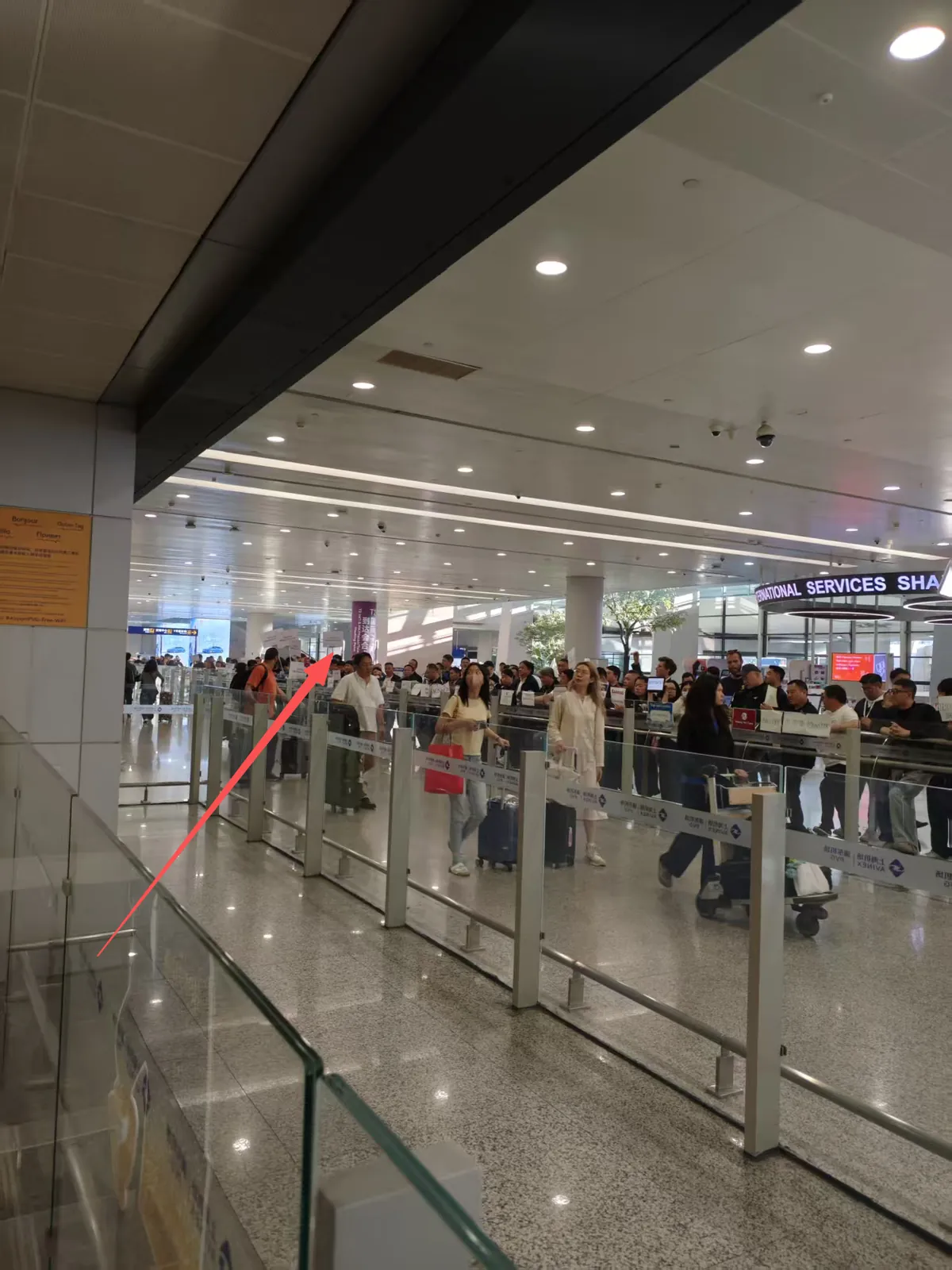
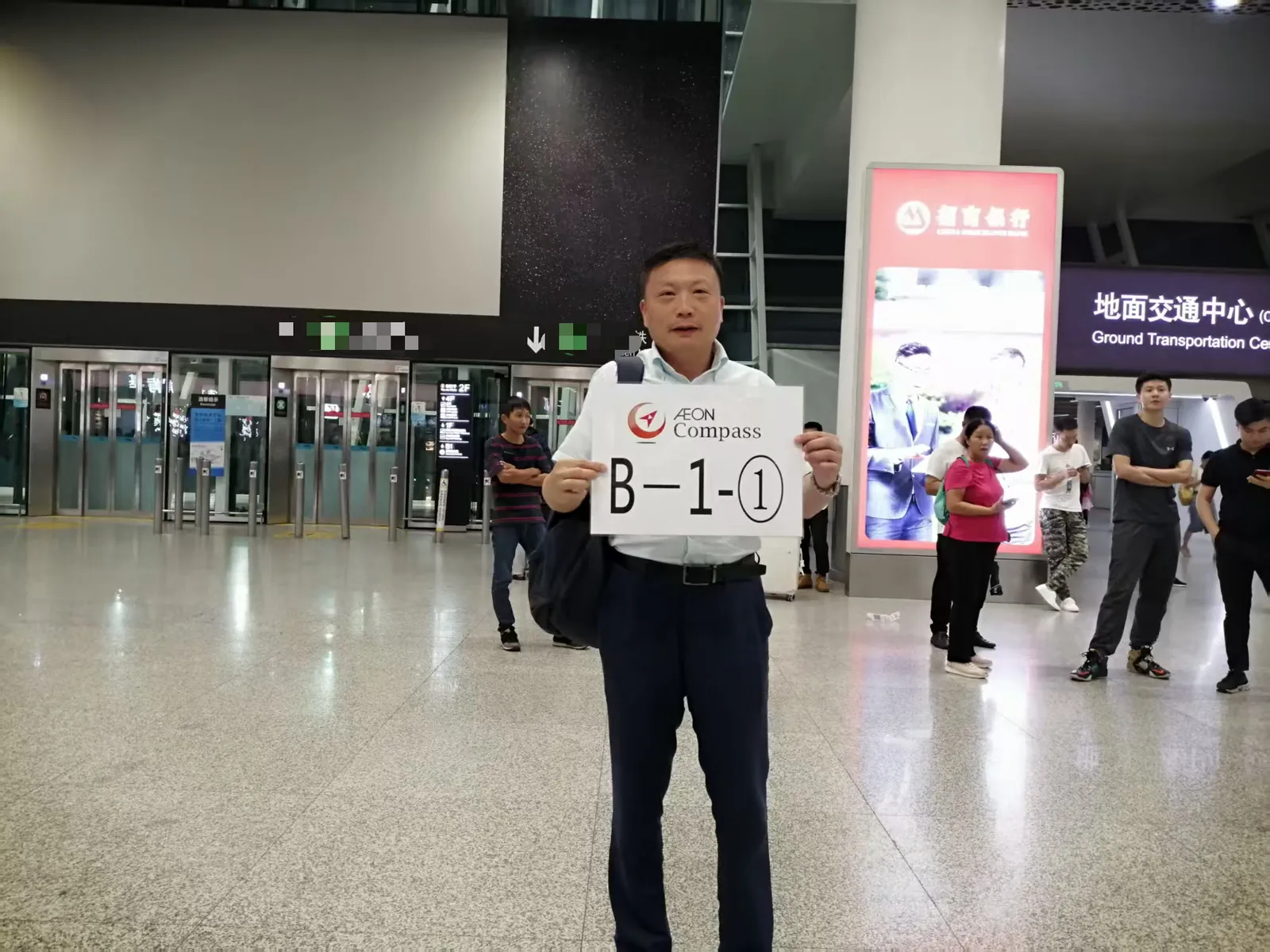
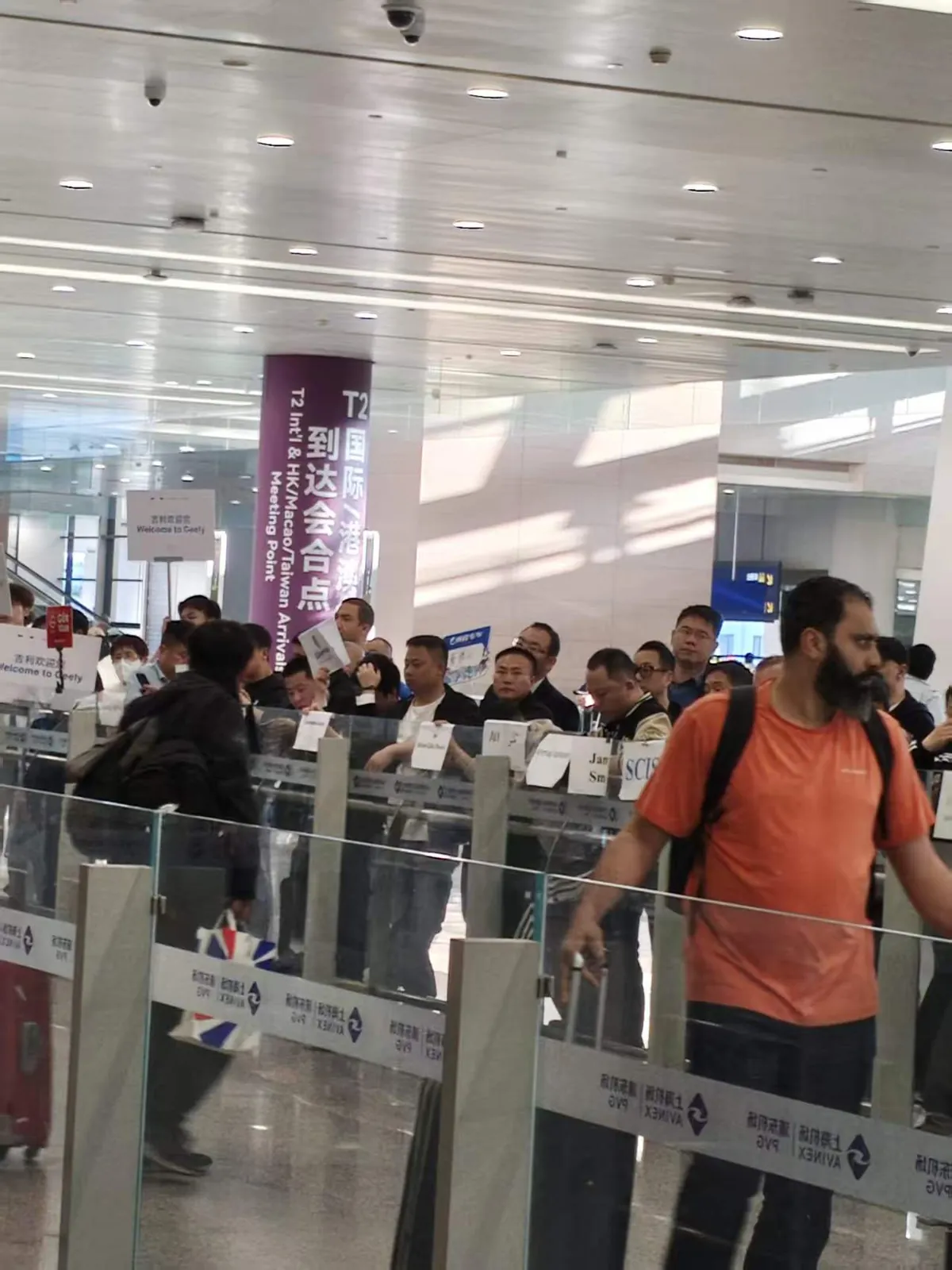
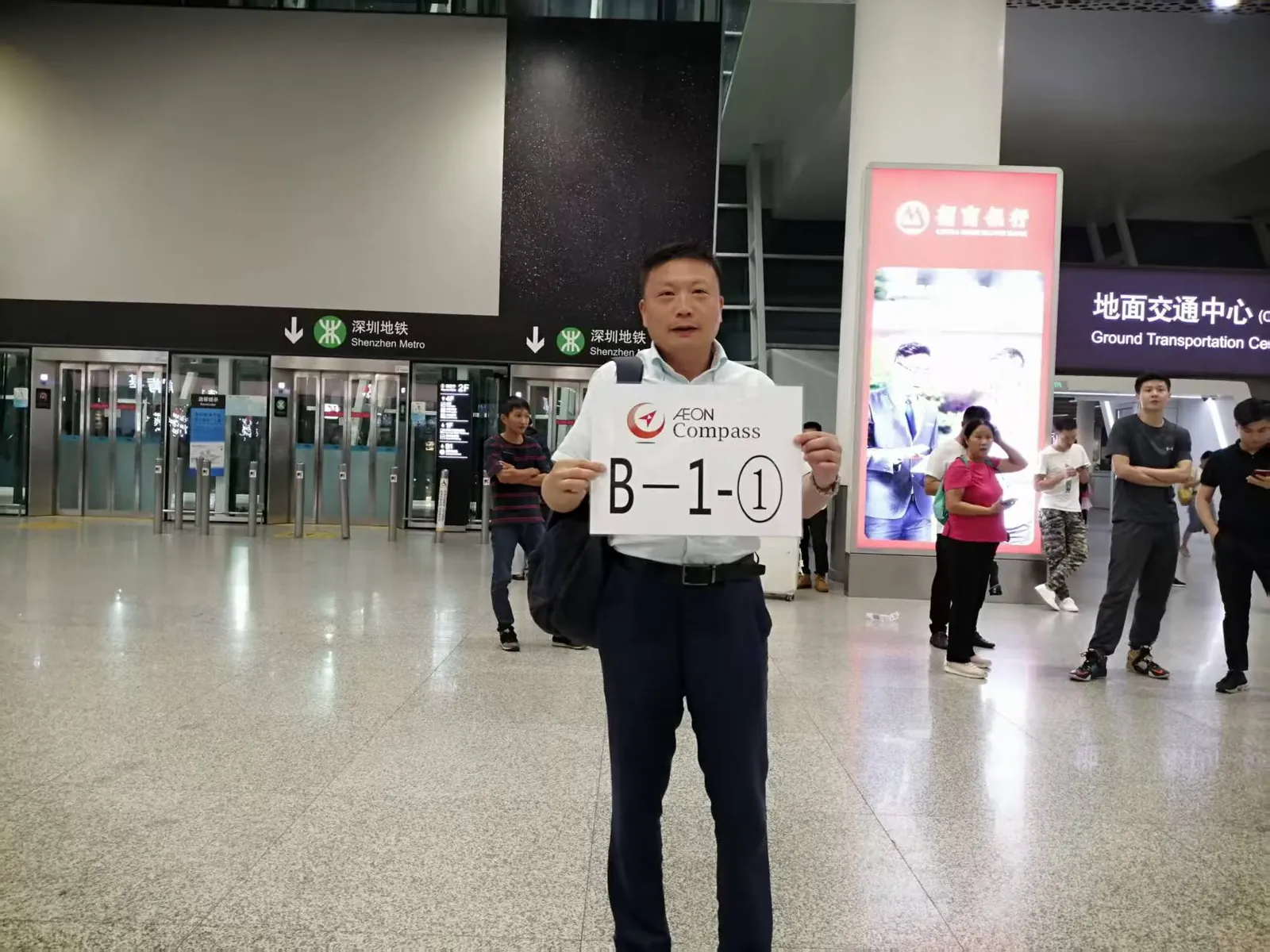
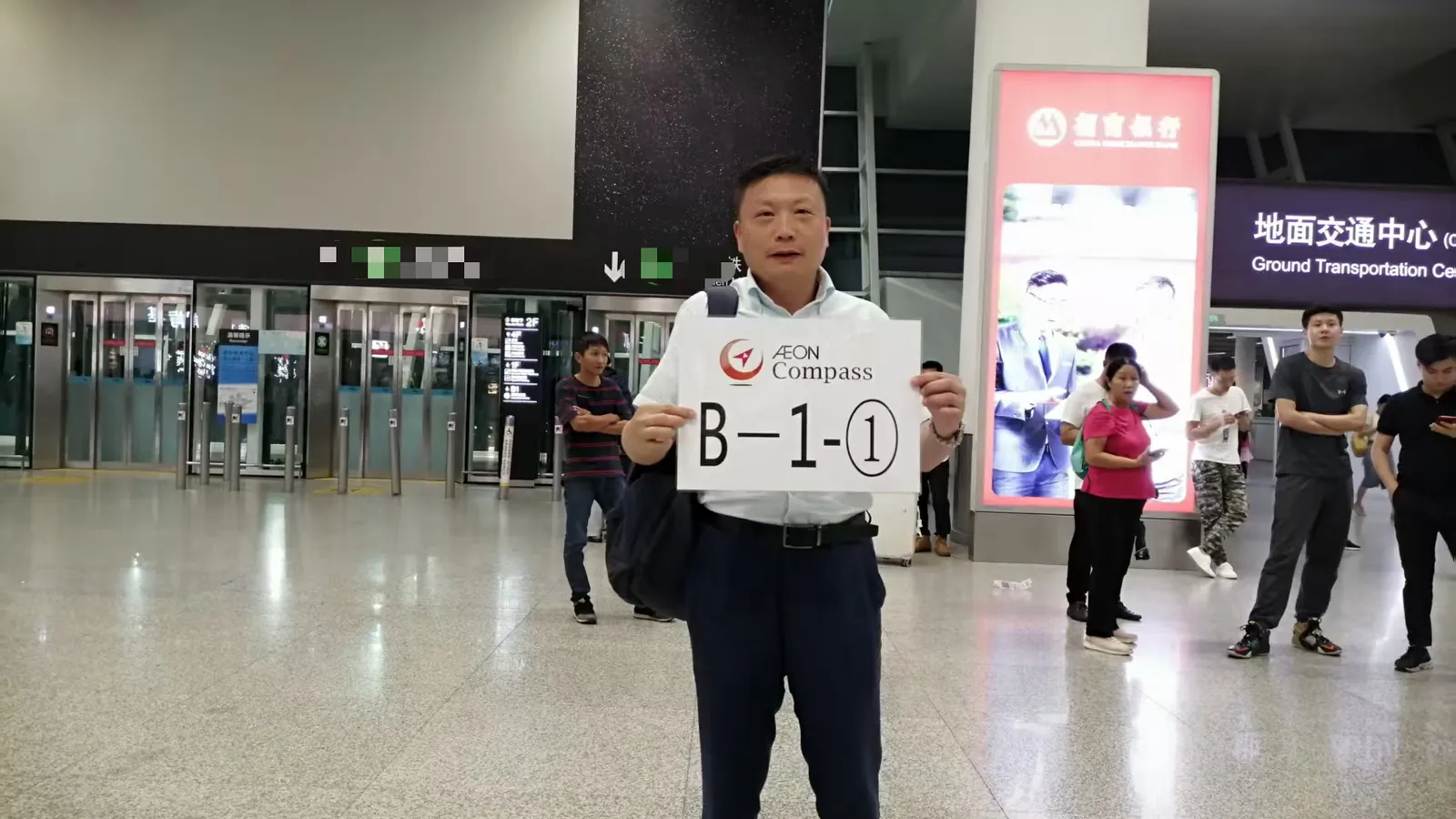
Do not accept a car from someone who offers one inside the hall, including drivers holding up name signs for unbooked work: the price has no protection. A pre-booked meet-and-greet, where the driver waits with your name at the exit, is a different product and usually the safer one. Assume the last metro will not wait for you, keep the day’s service times handy, and watch your bags at the carousels and exits.
Practical notes
- Confirm your terminal before you fly. Airlines decide the assignment and can change it, and routes are occasionally moved to Hongqiao, so check the airport code as well
- Allow an hour or more from landing to departure: immigration, baggage and the walk or queue to transport all take time at peak periods
- By day, Metro Line 2 is usually the simplest run into town, roughly an hour and a bit; the maglev is far quicker but still requires a change at Longyang Road
- Currency exchange, SIM cards and payment set-up counters sit in the arrivals level, so you can do them in one pass, though the rate is rarely the best available
- Late at night or before dawn the metro and maglev are not running, leaving taxis, ride-hailing or airport buses; check the day's last services rather than assuming
Photographs