Where to eat
Lao Zhengxing review: is benbang worth a special trip?
A review of a long-established benbang kitchen in Huangpu: what the cooking genuinely does well, what to order and why, how the room and service feel, and when a trip is worth it.
Last updated4 min read
Lao Zhengxing is one of the old-guard Shanghai kitchens cooking benbang, the city’s own home-style repertoire: dark soy, plenty of sugar, and a menu where braises, brined dishes and river fish take up most of the space. Its history is usually traced to the 1860s, in the Tongzhi reign, when a shop called Zhengxing opened near Jiujiang Road; the “Lao” (old) prefix came later, to separate it from the many similar names in the city. It is a restaurant, not a sight.
What the kitchen actually does well
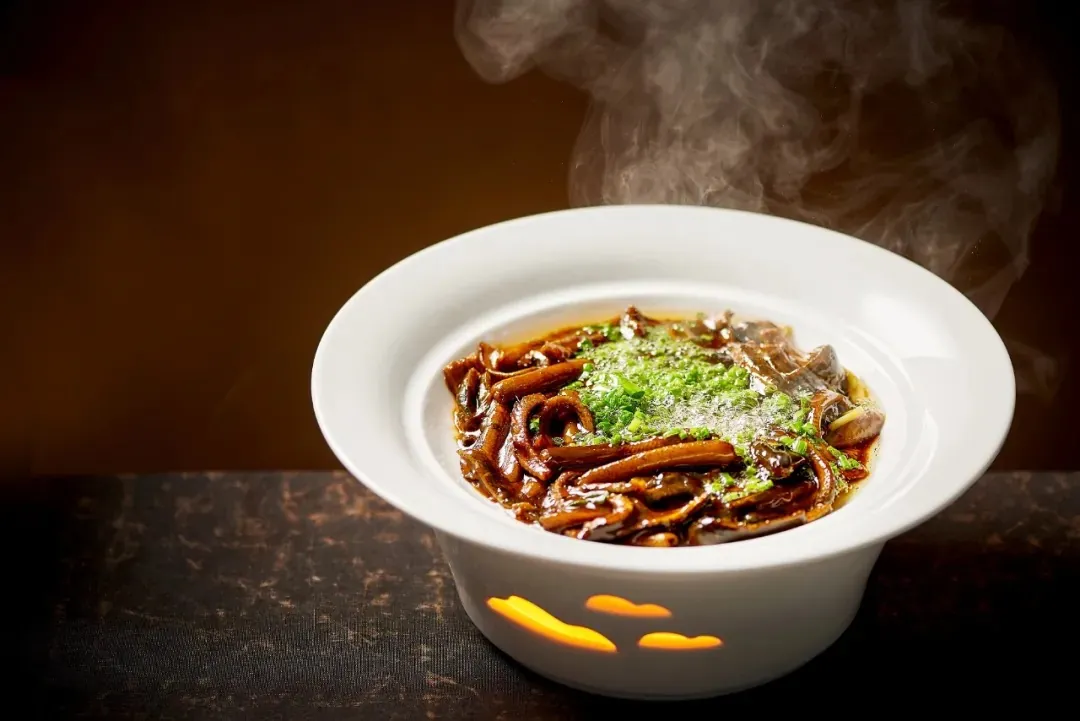
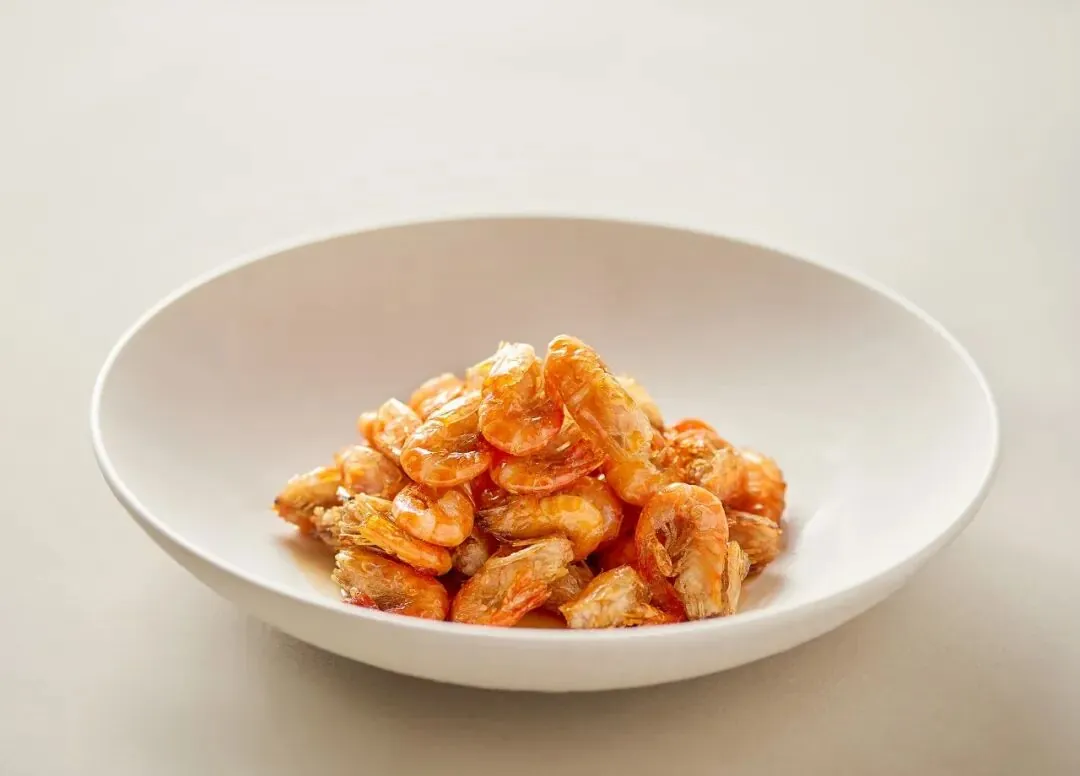
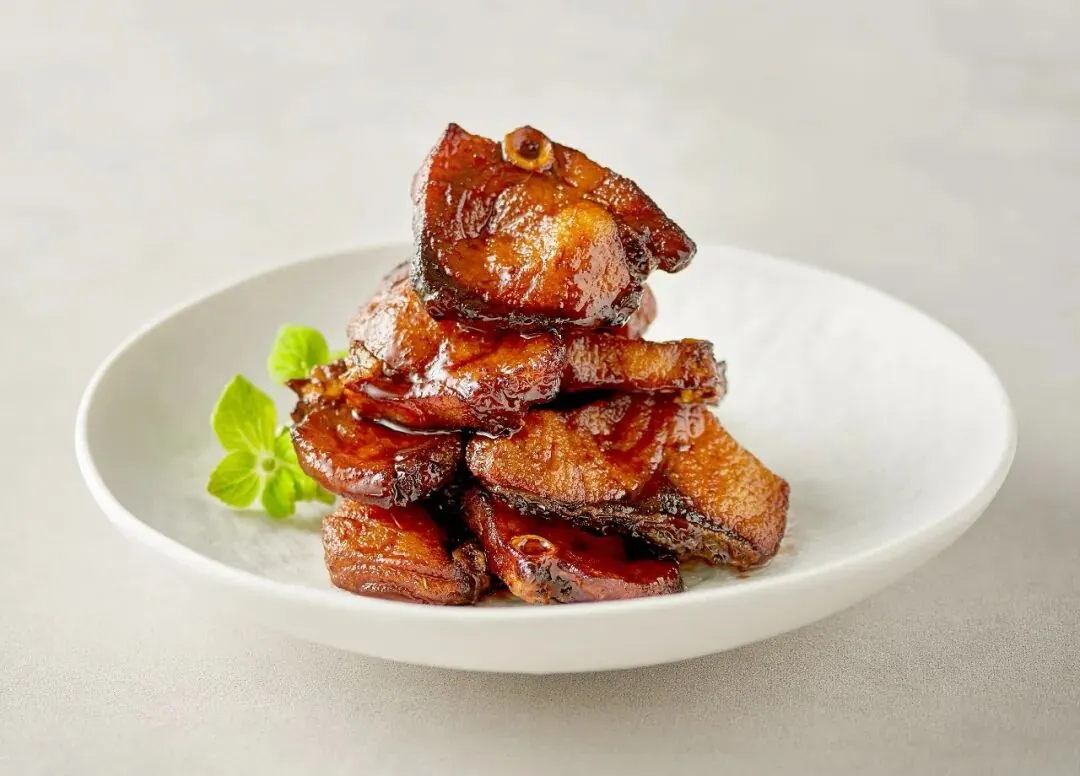
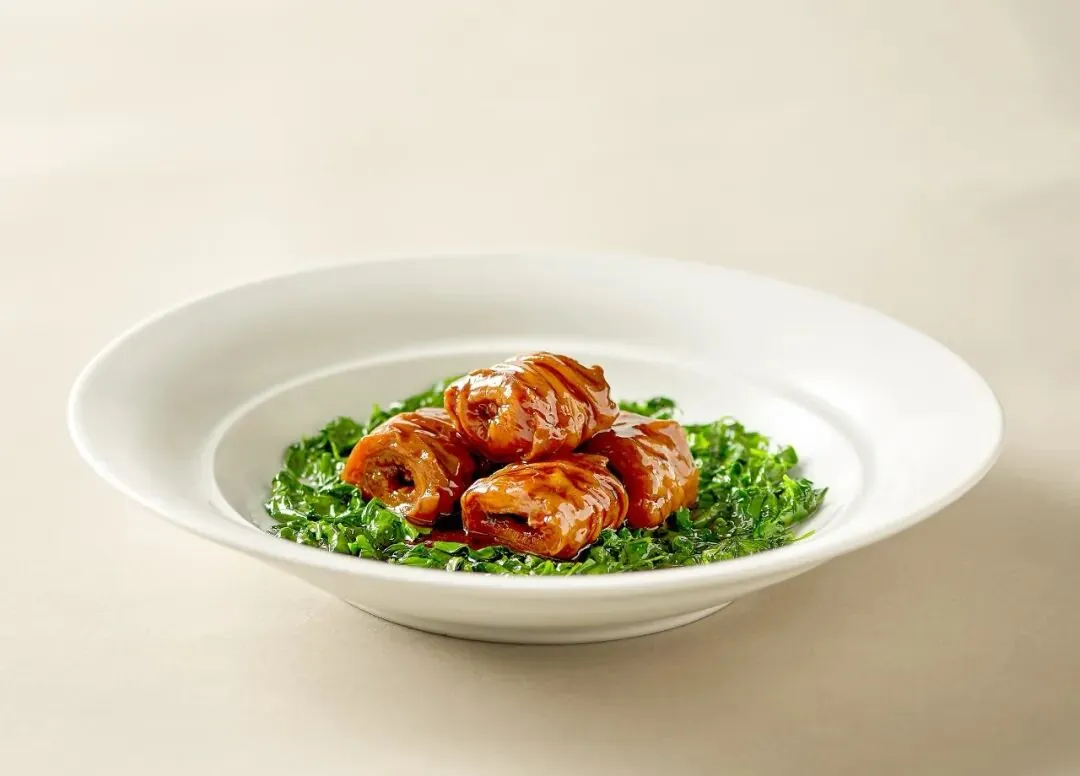
The conclusion first: the strength here is technique and sauce, not novelty. The braises are reduced hard, so the sauce clings to what it cooks and shines, and the savoury base carries a pronounced sweetness — the method of benbang cooking, not a mistake. Deep-fried prawns are about crispness and sweetness, red-braised pork about softness and the weight of the soy, and pork intestine with clover is the old preparation that tests how well offal is handled. Braised fish tail and black carp liver are more laborious still; order them when they are available, but they are not the safe everyday choice. The greens and the soup matter as much as the famous dishes: three braises in a row and the palate goes flat, and a plainly stir-fried green or a light soup pulls it back.
A famous signboard is no promise about today’s plate, so say something at the table if a dish misses. And the signature dishes here overlap heavily with other benbang restaurants; the differences live in the details and in how the kitchen is cooking that day.
How to order, and how much
Fix the structure before the dish names. For three or four people: one or two braises, one river fish or speciality, one plainly stir-fried green, one soup. Dishes are sold by portion and the plates are not small, so over-ordering means a tiring meal and leftovers; two people ordering four dishes will probably not finish. There is no strict order of service: cold dishes usually arrive first, and braises and river fish alternate. If several braises are going to land together, ask for them in stages.
The season changes the menu: crab and roe dishes belong to autumn, brined zao dishes to summer, river fish follow the day’s supply, and market-priced dishes move with the market. They are not always available, so ask on arrival. Dish names, portions and prices differ by season and between restaurants, so this review lists no prices.
What the room and service feel like
A conventional Chinese dining hall: round tables, white cloths, some calligraphy on the walls, and a noise level set by crockery and conversation rather than a soundtrack. Lively, not quiet. The gaps between tables are narrow, and moving around a full room takes care. Service runs at old-restaurant pace — quick to bring food, brisk and practical — but do not expect each dish to be explained.
Lunch is calmer than dinner: arriving before 11:30 or after 13:00 usually means sitting straight down, while weekend and holiday evenings are the longest waits. Allow an hour to ninety minutes. Payment is normally settled at a cashier near the entrance, and scanning a code at the table is also common; the payments and money guide covers paying in general. Opening hours, and whether the restaurant takes bookings, are not things we could verify from a public source, so confirm them yourself. For ordering phrases and serving chopsticks, the food and etiquette guide goes into more detail.
What it costs, and how it compares
No figure for price. Dishes are priced by portion, market-priced items move with the market, and the menu is revised often, so any per-person number circulating online is only a rough guide; the accurate number is on the day’s menu, in the restaurant. On relative position: this is a long-established restaurant where you order by portion and share, neither a quick-service stop nor a course-by-course fine-dining room. Against comparable benbang kitchens it sits in the steady group, not the cheap one or the polished one.
When it is worth it, and when it is not
Worth it: a first-time visitor who wants to know what the local repertoire actually tastes like; a group of three or four sharing several dishes; anyone who wants a solid everyday meal and does not mind an unfashionable room. Lao Zhengxing offers a reliable sample, not the only answer — Shanghai has plenty of restaurants cooking benbang, so if you simply need a meal there is no need for a special trip.
Not worth it: strict vegetarians, because meat fat and stock turn up in vegetable dishes here; anyone who avoids sugar or rich food; anyone chasing a quiet atmosphere or a photo set; anyone short of time who only wants to eat quickly. One more thing: more than one restaurant in Shanghai has traded as Zhengxing, similar-sounding benbang places still exist, and branches and changes of operator mean the signboard does not point at a single place — confirm which one you are going to before you set out.
Photographs