Where to eat
Lao Zhengxing
A long-established Huangpu restaurant cooking benbang, the sweet-savoury local Shanghai repertoire of braises, soy-heavy sauces and river fish.
Last updated:
- District
- 黄浦区 / Huangpu District
- Indicative price
- Dishes are priced by portion and seasonal items move with the market, so treat any per-person figure as a rough guide and check the menu in the restaurant
Lao Zhengxing is one of the old-guard Shanghai kitchens cooking benbang, the city’s own home-style repertoire: dark soy, sugar, slow braising, and a menu where braised dishes and river fish take up most of the space. Its history is usually traced to the 1860s, in the Tongzhi reign, when a shop called Zhengxing opened near Jiujiang Road; the “Lao” (old) prefix was added to separate it from the many imitators that followed. The room is a conventional Chinese dining hall: round tables, white cloths, calligraphy on the walls, and a noise level set by other diners rather than a soundtrack.
What to do on a first visit
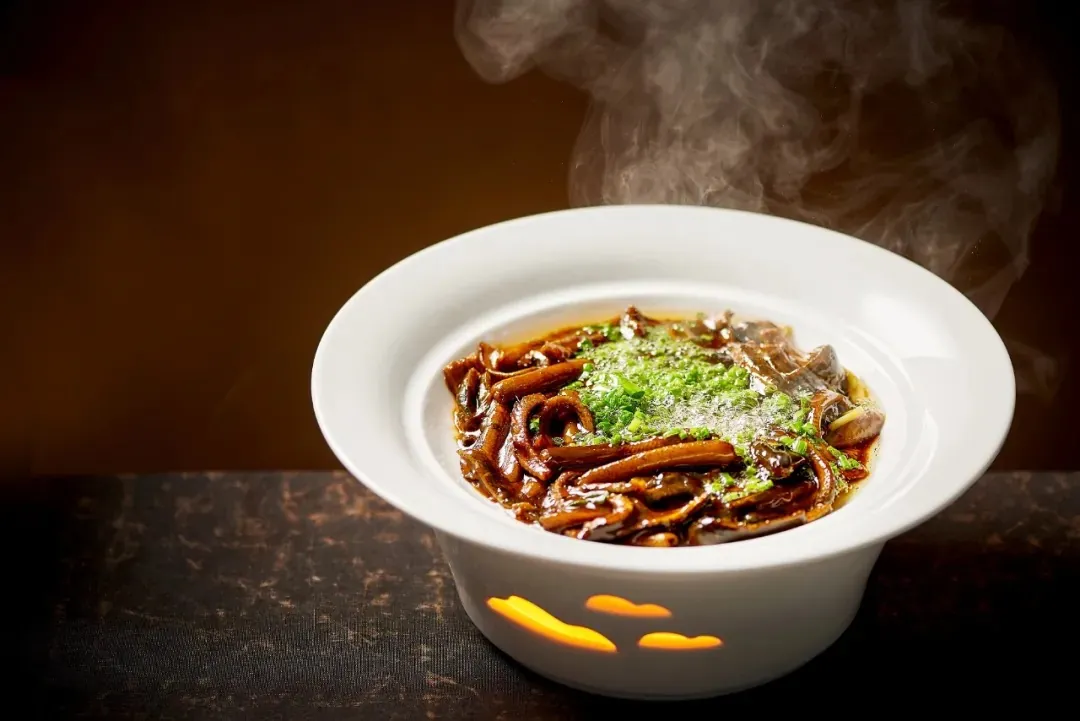
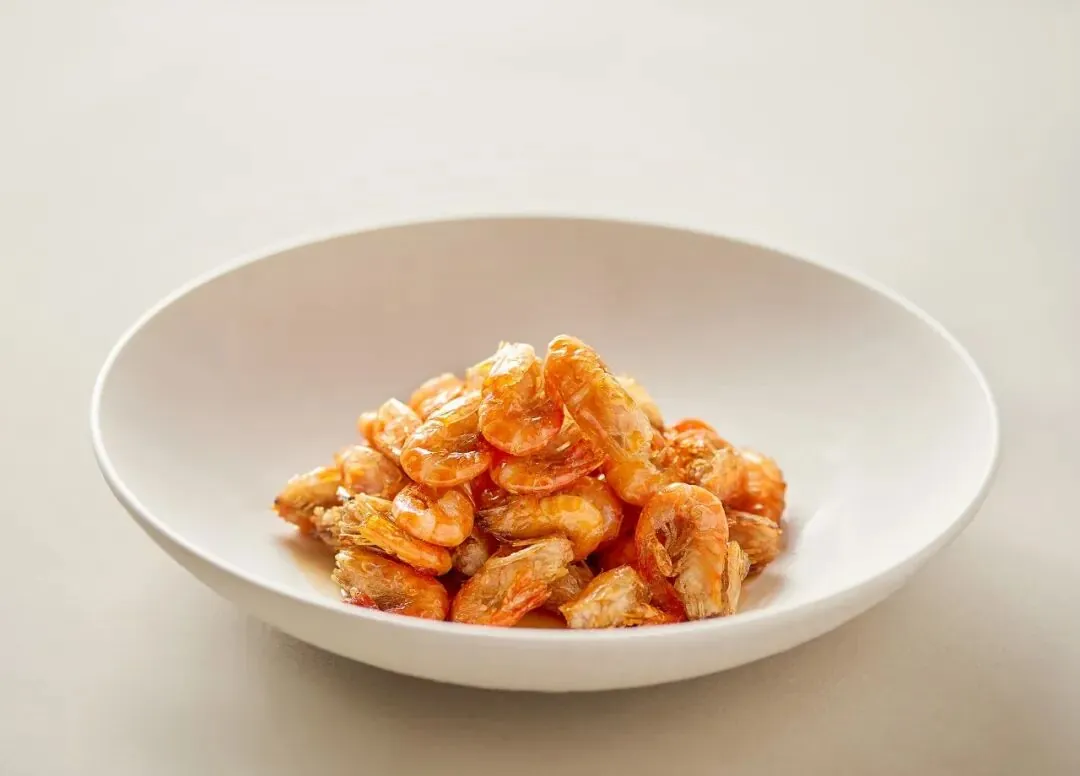
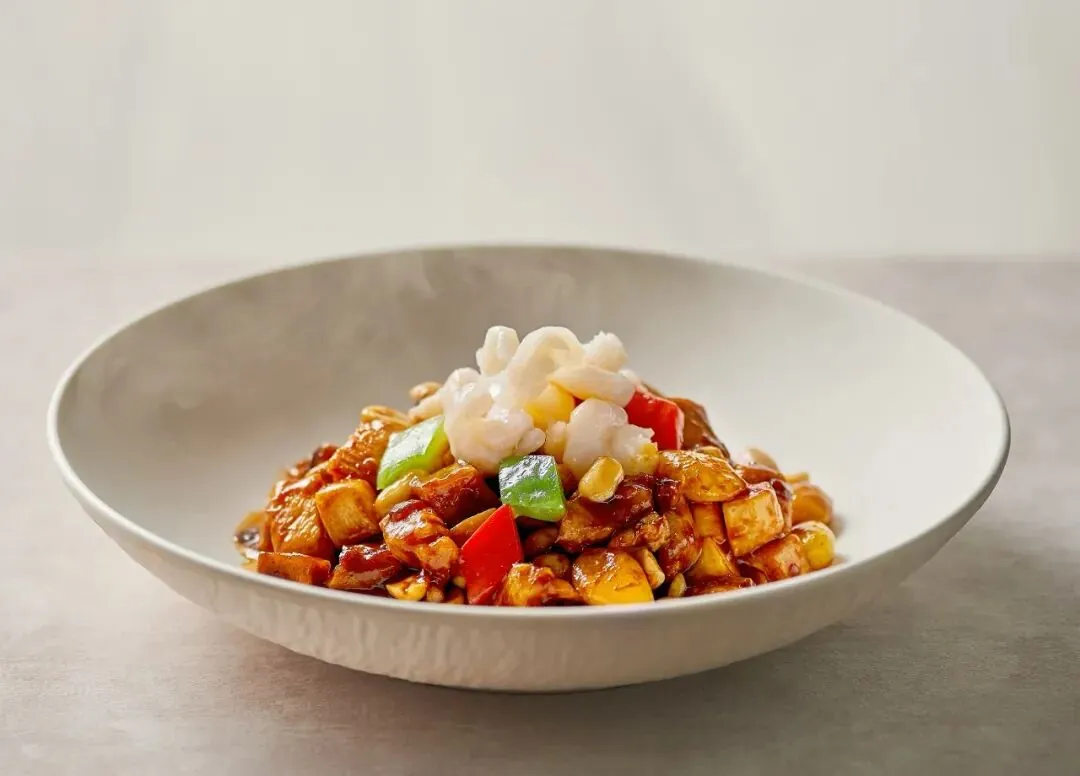
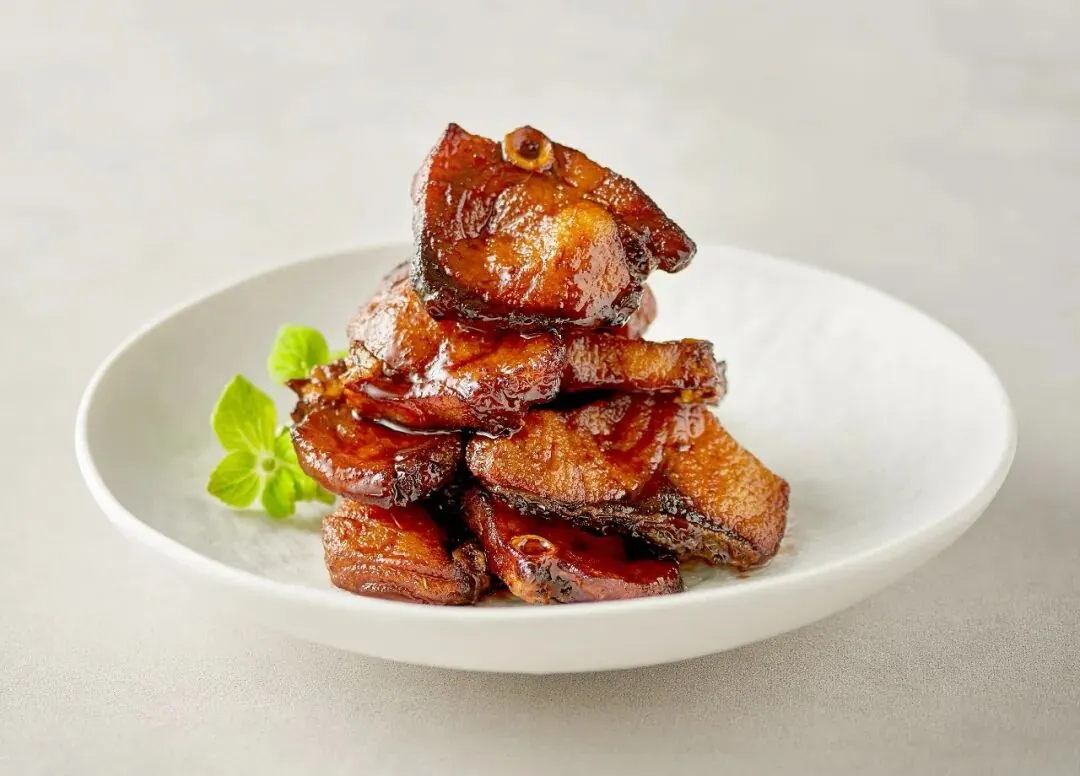
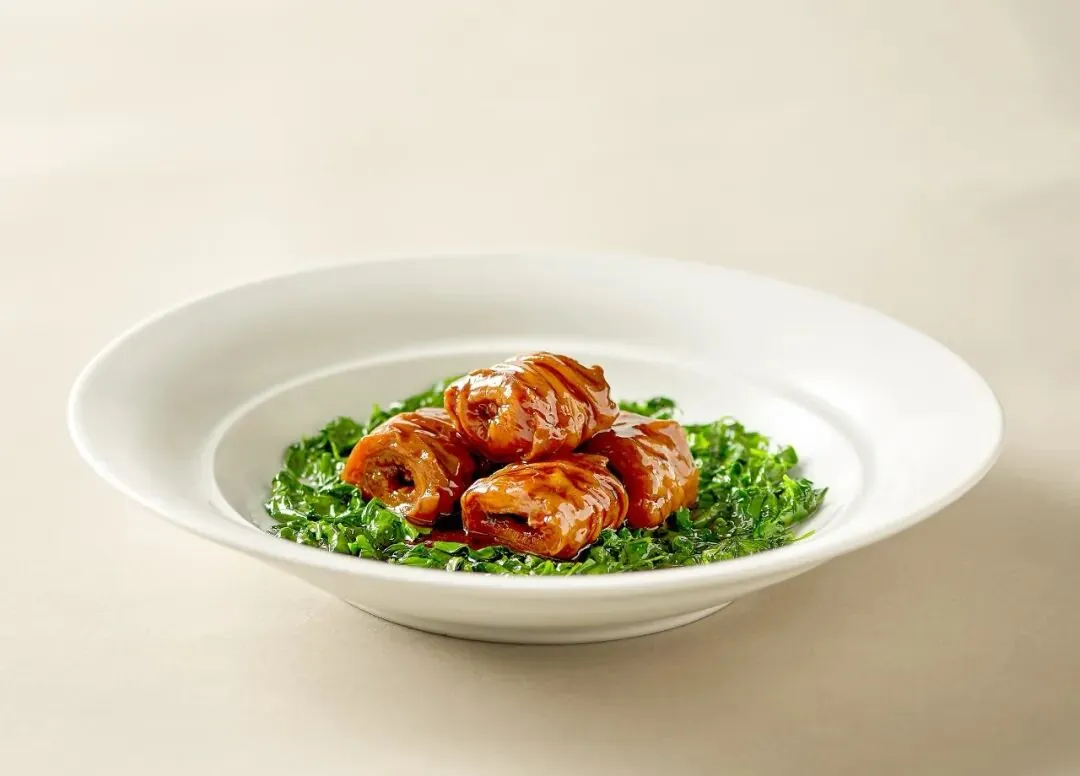
Decide the shape of the meal before you order. Red-braised pork, deep-fried prawns in a sweet soy glaze, and pork intestine with clover are the dishes that explain what the kitchen does; on the river-fish side, braised fish tail and the laborious black carp liver are older, rarer preparations worth asking about, depending on the day’s supply. Three or four dishes plus a soup is enough for three or four people: portions are generous and the seasoning is sweet, so order less than you think and add a plain stir-fried green to cut through it. Crab and roe dishes belong to autumn, brined zao dishes to summer, and the menu is not identical from year to year. Lunch is calmer than dinner, and arriving before 11:30 or after 13:00 shortens the wait.
One honest caveat
Pin down the name first. Shanghai once had many restaurants trading as Zhengxing, and similar-sounding benbang places still exist, so confirm which one you are booking before you set out. The second caveat is the cooking itself. Heavy soy and sugar is deliberate, not a fault, but anyone who eats light or dislikes sweet-savoury food may find a full meal tiring. Prices are not as fixed as a chain’s: dishes are sold by portion and seasonal items move with the market, so read the menu in the restaurant rather than trusting a figure online. Finally, this is an old-school room — brisk service, closely spaced tables, lively rather than quiet — and it is worth adjusting expectations accordingly.
Practical notes
- Lunch is calmer than dinner: arrive before 11:30 or after 13:00 to shorten the wait
- Three or four dishes plus a soup is enough for three or four people; portions are generous and the seasoning is sweet
- Allow an hour to ninety minutes, and expect a queue on weekend and holiday evenings
- River fish and crab or roe dishes follow the season and the day's supply, so ask what is actually available
- Pair a braise with a plain stir-fried green rather than ordering several heavy dishes in a row
Photographs